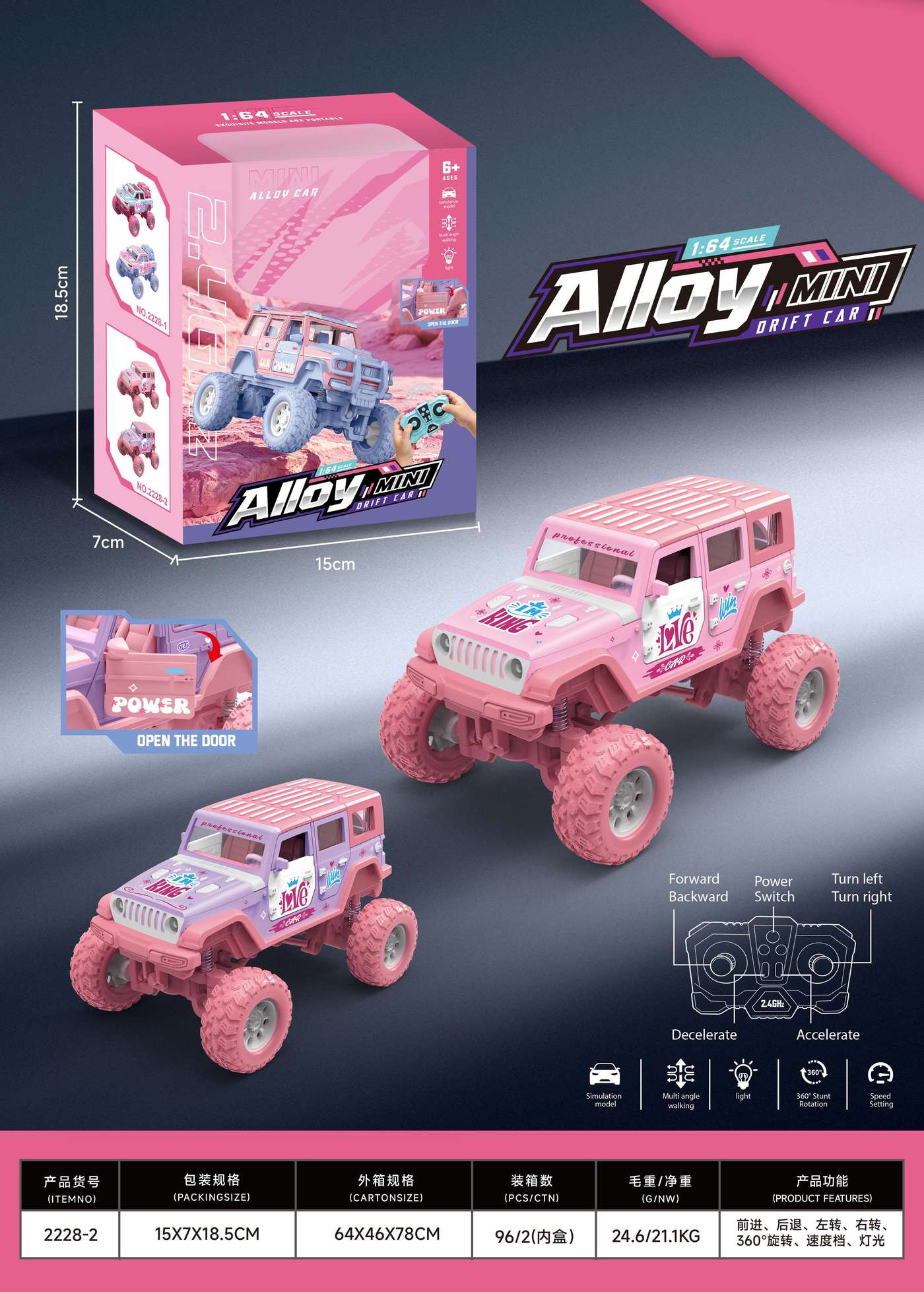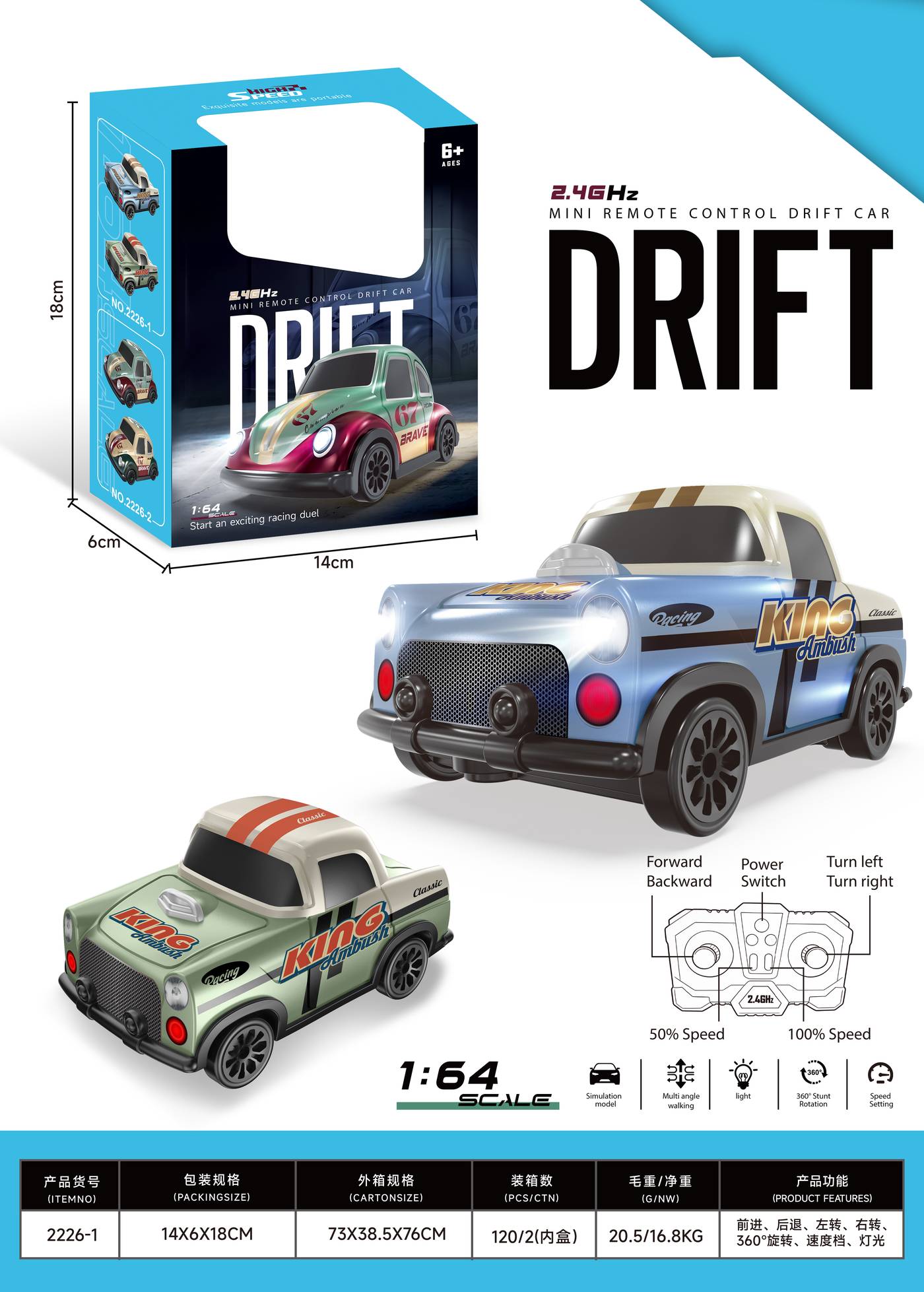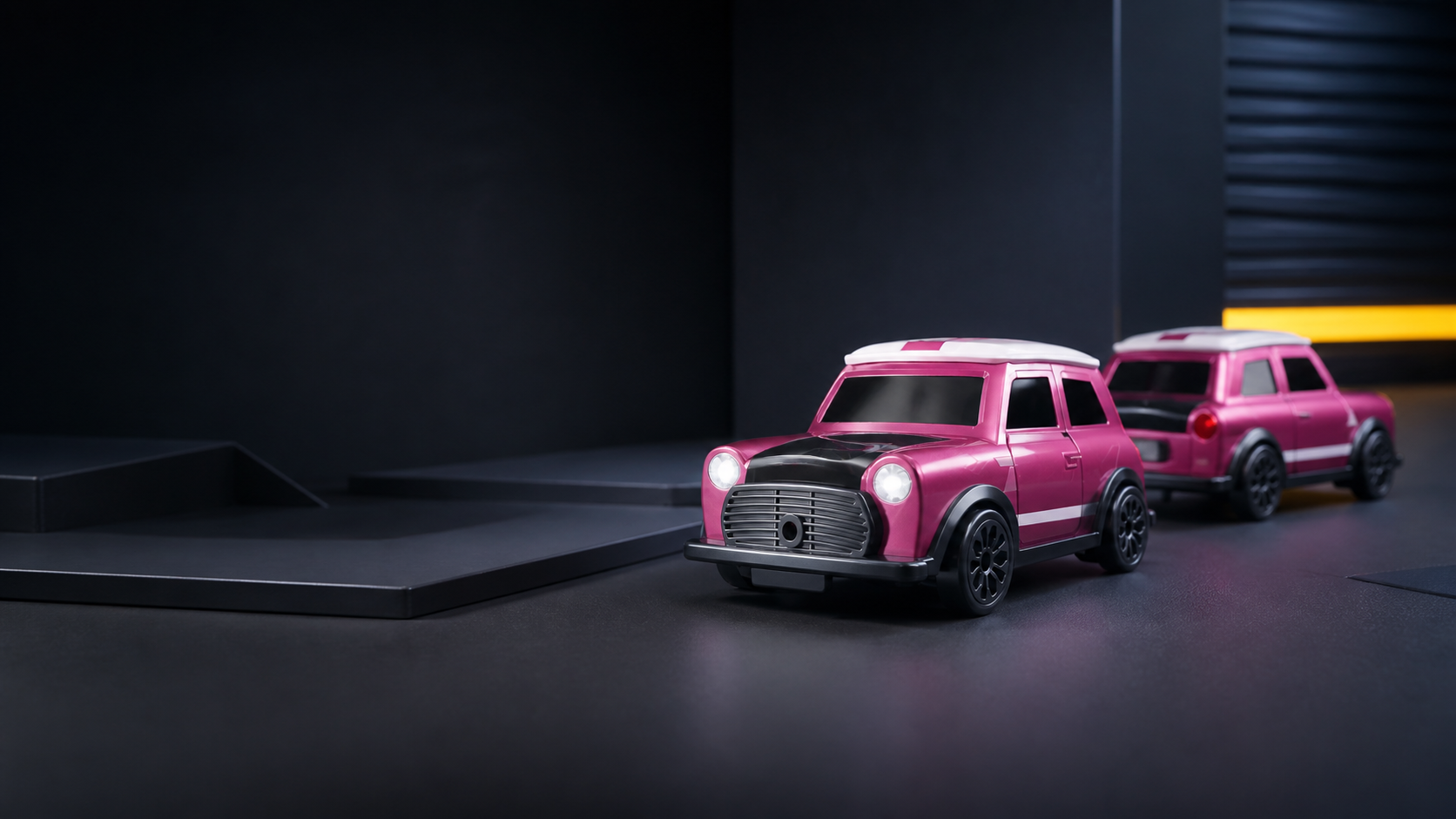
The default answer is not "include batteries because the box looks better on a shelf." For CoreRCCar-grade RC programs, the safer default is to ship the vehicle with its rechargeable pack and charger as a sealed, tested unit, and to ship the transmitter either without cells or with a clearly specified, market-appropriate cell — decided per SKU, not per category. Battery inclusion changes convenience, transport paperwork, leakage exposure, and landed cost at the same time, so it belongs on the PO as a line item, not in a marketing sentence.
This page walks through the four legs of that decision: vehicle battery type, remote batteries, lithium transport documents, and shelf life. It also covers packaging marks, replacement guidance, and what to freeze so the second lot matches the first. Every number you need — mAh, range, MOQ, lead time, certificate IDs — has to come from the factory's actual report for your lot.
Key Takeaways
- Treat the vehicle battery and the transmitter battery as two separate PO lines. A charger-included SKU answers the vehicle question and says nothing about what powers the remote.
- Changing battery chemistry, cell format, supplier, or pre-installation status can change the electrical, transport, and safety assessment — so a mid-program switch is a re-assessment, not a substitution.
- Transport paperwork is a lot-matching problem. A certificate or test file that does not name your market and your lot is not paperwork you can lean on.
- CoreRCCar are a compartment-and-warning problem before they are a function problem. Screw closure, tool access, and the warning text get checked before anyone debates CoreRCCar's features.
- Freeze the battery spec against a sealed physical golden sample, not a photo. Buyers who approve only a photo pay for it on the second lot.
Battery Configuration Options at a Glance
| Vehicle battery included (rechargeable pack + charger) | Price posture: higher unit cost, lower buyer-side assembly work | Material: cell chemistry and format vary by spec | Age/Use: toy-grade RC, retail-ready | Best for: programs that need shelf-ready convenience | Rating: strongest default for CoreRCCar-grade programs |
|---|---|
| Vehicle battery included, charger sold separately | Price posture: mid unit cost, packaging must state charger not included | Material: varies by spec | Age/Use: toy-grade RC | Best for: buyers who already stock a compatible charger | Rating: workable if the packaging mark is unambiguous |
| Vehicle ships without cell (buyer-supplied) | Price posture: lowest unit cost, highest buyer-side logistics work | Material: buyer's own cell choice | Age/Use: toy-grade RC | Best for: buyers with an existing cell supply chain and in-market warehousing | Rating: viable only with a written cell spec |
| Transmitter cells included | Price posture: small unit-cost add, large paperwork add | Material: cell format varies by spec | Age/Use: depends on cell type and market rules | Best for: gift-channel SKUs where the end user has no cells at home | Rating: decide per market, not per category |
| Transmitter cells buyer-supplied | Price posture: lowest unit cost | Material: buyer's own cell choice | Age/Use: toy-grade RC | Best for: supermarket and Amazon programs with clear "batteries not included" marks | Rating: cleanest paperwork path |
| Button-cell or coin-cell in any accessory | Price posture: varies by spec | Material: coin cell | Age/Use: compartment and warning rules apply | Best for: only where screw closure and warning are verified | Rating: do not ship without compartment verification |
Should the RC car itself ship with a battery installed?
CoreRCCar-grade RC cars, ship the vehicle with its rechargeable pack and charger as a matched, tested unit unless you have a specific reason not to. The reason is not convenience — it is that the cell, the charger, and the charging circuit are one electrical system. Splitting them across two suppliers moves the compatibility risk onto you, and compatibility failures show up as returns, not as line-item savings.
The counter-argument is real: an installed cell adds transport documentation, adds shelf-life exposure, and adds a leakage path if the lot sits in a 3PL through a hot summer. That is why the decision should be made per SKU against your actual sell-through speed. A fast-moving SKU that clears in weeks carries far less shelf exposure than a slow SKU that sits for a season.
What to write on the PO: cell chemistry, cell format, capacity class, whether the charger is included, the connector type, and the pre-installation status (installed in the vehicle, packed loose in the box, or not shipped). If any of those five fields is blank, the factory will fill it for you — and the second lot may not match the first.
Do RC remotes ship with batteries, and does it matter?
Remotes are a separate decision, and most buyers get this wrong by assuming a charger-included SKU answers it. It does not. A charger in the box powers the vehicle; the transmitter still needs its own cells, and those cells may be a different chemistry and a different market-compliance question.
Three configurations are common. Cells included and installed; cells included but packed loose; or no cells, with a "batteries not included" mark on the retail packaging. The first is the most convenient for the end user and the heaviest for you on paperwork. The third is the cleanest on paperwork and the most likely to generate a one-star review from a gift buyer who did not read the box.
Match the choice to the channel. Gift and impulse channels tolerate included cells better because the end user may open the box away from home. Supermarket and marketplace programs often prefer buyer-supplied cells because the packaging mark is simple and the transport file is lighter. Whichever you choose, the mark on the retail box has to match what is actually inside — a mismatch is a compliance problem, not a packaging typo.
Which lithium transport documents travel with the lot?
The documents that travel with a lithium-containing lot depend on the cell, the configuration, and the destination market — and they must name the lot. This is where most paperwork failures happen: a buyer holds a valid test file or certificate and assumes it covers the shipment. It may cover a different product, a different market, or a different lot.
Ask the factory for the actual report, not a summary. If a supplier cannot produce the file that matches your market and your lot, that is the answer — do not accept a generic certificate as a substitute. Incoterms define when risk transfers between seller and buyer; they do not define product-safety compliance or who owns the test reports. Those are separate conversations and both belong in the PO file.
For lithium cells specifically, the transport classification depends on chemistry, capacity, and whether the cell is installed in equipment or packed separately. Because changing battery chemistry, cell format, supplier, or pre-installation status can change the electrical, transport, and safety assessment, any of those changes mid-program triggers a fresh look at the paperwork — not a reprint of the old file.
What is the shelf-life and leakage exposure if the lot sits in a 3PL?
Installed cells age on your dime. If a lot lands and then sits in a 3PL for a season, the cell is discharging, the packaging is under load, and the leakage risk is climbing — none of which shows up in a unit-price comparison.
The practical control is to ask the factory for the storage and shelf-life guidance for the specific cell they are using, and to write a re-inspection trigger into your receiving process. If the lot exceeds the stated storage window, the receiving inspection should sample for leakage, compartment integrity, and function before the lot is released to a retail channel.
This is also where the compartment design matters. CoreRCCar are a compartment and warning problem before they are a function problem. Screw closure, tool access, and the warning text get verified before anyone debates CoreRCCar's features. A cute electronic whose compartment opens with fingernails does not ship.
What packaging marks and replacement guidance belong on the box?
The retail box has to state what is inside, what is not, and what the end user must supply. If cells are not included, the mark must say so clearly and in the market's required language. If cells are included, the mark should state the cell type and whether a charger is included.
Replacement guidance is the part buyers skip. A short line telling the end user which replacement cell type to buy reduces returns and reduces the chance that someone installs the wrong chemistry. It costs almost nothing to add and it protects the program on the second and third reorder.
Final inspection should verify the product, packaging, markings, quantity, documents, and test status before shipment release. If the mark on the box and the contents of the box disagree, the lot should not be released — that is a release-blocking defect, not a cosmetic one.
How do you freeze the battery spec so the second lot matches the first?
Freeze it against a sealed physical golden sample on the QC shelf. Emails do not settle a colour or fit argument; a sealed piece does. The golden sample should capture the cell, the compartment, the charger, the connector, and the packaging mark, and it should be signed and dated by both sides.
If the battery compartment is a tooled part, the tooling policy needs to be a document, not a handshake. Write the fee, the ownership, the storage period, and what happens if the tool sits idle. Buyers who pay a tooling fee without freezing storage years or release conditions find out later who owns what.
Finally, the defect class for battery-related failures comes from the agreed inspection plan on the PO, not from a catalogue sentence. Do not accept an AQL number quoted in a brochure. If you want a number, put it in the inspection plan and make it part of the release criteria.
Where are battery-included RC programs usually produced?
Toy-grade RC cars are overwhelmingly injection-molded plastic assemblies, and the injection-molding cluster for this category is Chenghai in Guangdong. That is where the tooling, the molding, the electronics assembly, and the packaging for CoreRCCar-grade RC programs sit. If your SKU is plastic-bodied with a light-up or drift function, Chenghai is the default sourcing region.
CoreRCCar categories cluster differently, and it helps to know the map when you are building a mixed container. CoreRCCar cluster in Yunhe. Plush clusters in Yangzhou. General merchandise and mixed gift items cluster in Yiwu. None of these are rankings — they are regional specializations, and they tell you which factory type to approach for which part of your order.
For a battery-included RC program, the relevant question is not which region is "best" but whether the factory you are talking to actually controls the electronics assembly and the cell sourcing, or whether they are buying a finished module from a third party. Ask directly. The answer changes who owns the compatibility risk.
Use Case, Material to Ask For, and Test to Request
| Gift and impulse channel, vehicle battery included | Material to ask for: rechargeable pack matched to the vehicle's charging circuit, charger included | Test to request: the transport and safety file that names this cell, this configuration, and this lot |
|---|---|
| Supermarket program, transmitter cells buyer-supplied | Material to ask for: transmitter with a standard cell compartment and a clear "batteries not included" mark | Test to request: packaging mark verification plus the compartment and warning check for the cell format used |
| Marketplace listing, vehicle battery included | Material to ask for: installed cell with a stated chemistry and capacity class, charger included | Test to request: the electrical and transport file for the installed configuration, plus the retail packaging mark file |
| Private-label program with a tooled battery compartment | Material to ask for: tooled compartment with screw closure and defined tool access | Test to request: compartment integrity and warning verification, plus the tooling ownership and storage document |
| Slow-moving SKU with long 3PL dwell time | Material to ask for: cell with documented storage guidance, or buyer-supplied cells to remove shelf exposure | Test to request: storage and shelf-life guidance for the specific cell, plus a receiving re-inspection trigger |
| Mixed container with wooden, plush, and plastic lines | Material to ask for: plastic RC from the injection-molding cluster, wooden lines from the wood cluster, plush from the plush cluster | Test to request: per-category test files that each name their own lot and market |
How these configurations were selected
No factories were ranked and no ratings were invented. The configurations above were selected against four criteria a buyer can verify on a PO: whether the choice changes the transport paperwork, whether it changes the leakage and shelf-life exposure, whether it changes the landed cost beyond unit price, and whether the spec can be frozen against a physical sample.
Anything that could not be verified from a factory report was left out. Where a number would normally appear — mAh, range, MOQ, lead time, certificate ID — the article states that it varies by spec or must be requested, because those values are lot-specific and a generic figure would be misleading.
The catalog evidence behind this article shows both configurations exist in the market: SKUs that ship with a charger included, and SKUs that name a battery capacity class in the product description. That is the point — the buyer has to choose, and the choice has to be written down.
FAQ
Should I ship RC cars with batteries included or buyer-supplied?
For CoreRCCar-grade RC programs, ship the vehicle with its rechargeable pack and charger as a matched unit, and decide the transmitter cells separately per market. Buyer-supplied vehicle cells only make sense if you already have a cell supply chain and in-market warehousing.
Does a charger-included SKU mean the remote also has batteries?
No. A charger in the box powers the vehicle. The transmitter still needs its own cells, and those may be a different chemistry and a different compliance question. Write the transmitter cell configuration as a separate PO line.
What lithium transport documents should I ask the factory for?
Ask for the actual report that names your market, your cell configuration, and your lot — not a summary or a generic certificate. If the factory cannot produce a file that matches your lot, treat that as the answer and do not substitute a different certificate.
If I change the battery supplier mid-program, do I need new paperwork?
Yes. Changing battery chemistry, cell format, supplier, or pre-installation status can change the electrical, transport, and safety assessment. A mid-program switch is a re-assessment, not a like-for-like substitution.
How do I handle shelf life if the lot sits in a 3PL for a season?
Ask the factory for the storage and shelf-life guidance for the specific cell they use, then write a re-inspection trigger into your receiving process. If the lot exceeds the stated window, sample for leakage, compartment integrity, and function before releasing it to retail.
What should the retail box say about batteries?
State clearly whether cells are included, what cell type is used, and whether a charger is included. If cells are not included, the "batteries not included" mark must be present and in the market's required language. Add a short replacement-cell line to reduce returns.
Sources
- Batteries Included
- GitHub - ayoremi8/batteries-included: Batteries Included is a Kubernetes based software platform for database, ai, web,
- GitHub - batteries-included/batteries-included: Batteries Included is a Kubernetes based software platform for database,
- GitHub - batteries-included/batteries-included: Batteries Included is a Kubernetes based software platform for database,
Request a Quote
If you are specifying a battery-included or buyer-supplied RC program and want the vehicle cell, transmitter cell, packaging mark, and transport file treated as one PO package, send your target market, channel, and SKU list. The reply will come back with the configuration options and the documents that have to travel with the lot.