
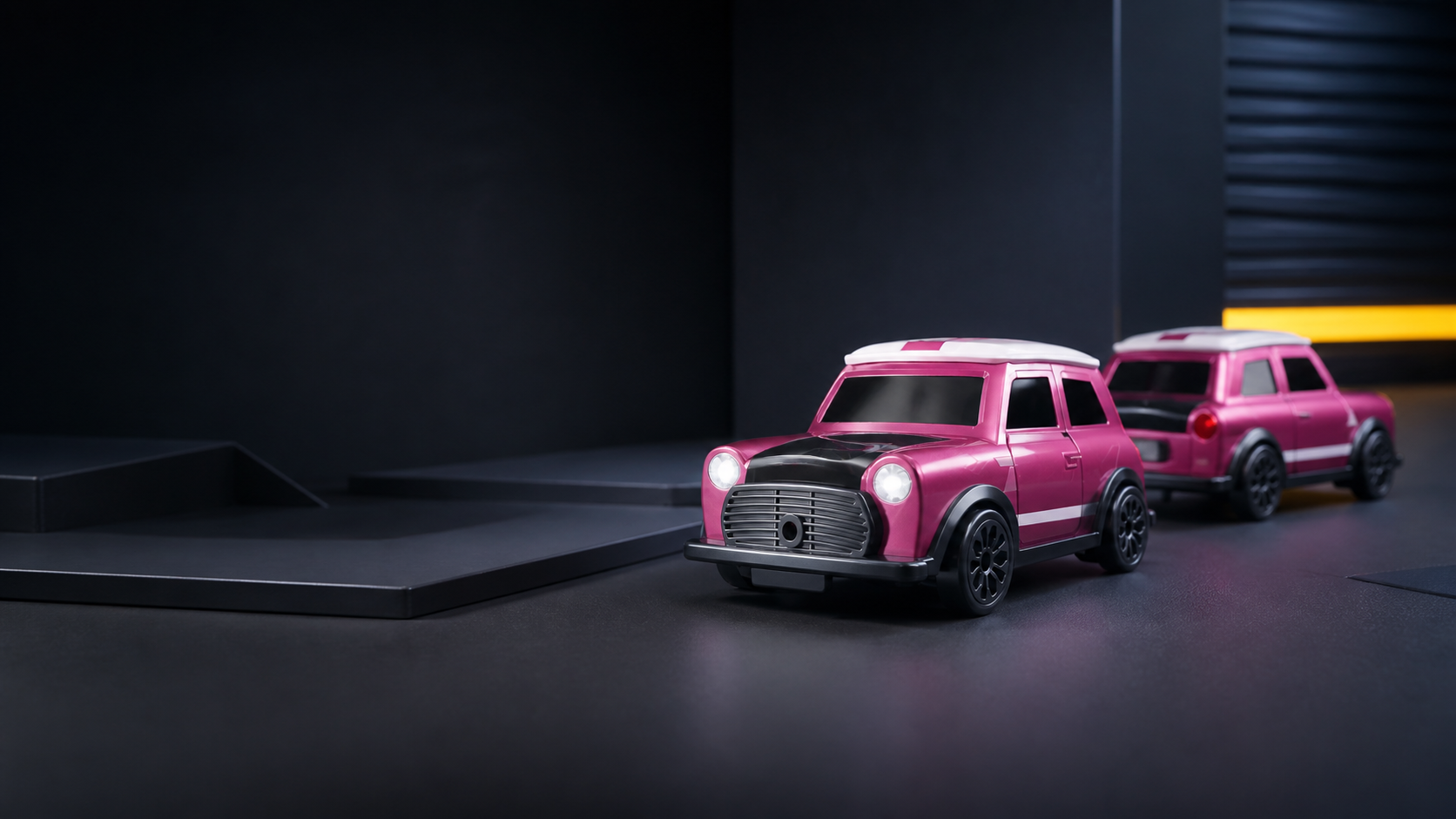
CoreRCCar vehicle importers planning 2026 sourcing, shifting from brand-adjacent lookalikes to original generic shells is the lower-risk move, because marketplace enforcement and trade dress scrutiny are making unverifiable authorization claims a liability. This guide covers how to decide whether original generic designs should replace lookalikes in your sourcing plan, with a focus on risk, safety, and compliance. You'll learn what to demand from suppliers in terms of evidence, design briefs, and compliance documentation—so you can keep scale appeal without betting on unverifiable IP claims.
Key Takeaways
- Original generic shells reduce IP risk compared to brand-adjacent lookalikes, but safety compliance—like ASTM F963 testing and a Children's Product Certificate (CPC) for the US—remains mandatory and must be verified per SKU.
- The EU's CoreRCCar safety regulation introduces a digital product passport for CoreRCCar, with a 4.5-year transition period; buyers should start requesting CE documentation and chemical compliance evidence now.
- Supplier evidence is critical: demand actual test reports, not generic claims, and verify that the factory's documentation matches the specific product configuration and age grade.
- Designing in series—multiple colors, sizes, or poses—lowers development risk and supports repeat ordering, making generic shells a more durable sourcing strategy than trend-chasing lookalikes.
- For CoreRCCar, prepare for the July 8, 2026 eFiling requirement for certificates with U.S. Customs and Border Protection; ensure your broker and supplier are aligned.
Seasonal Brand or Trend Matrix
| Brand-adjacent lookalikes | Why visible: High consumer recognition drives initial sales. Sourcing implication: High IP risk; requires verifiable authorization or design clearance. Dated source note: No official data; based on 2026 market observation. |
|---|---|
| Original generic shells | Why visible: Increasing IP scrutiny pushes buyers toward safer designs. Sourcing implication: Lower legal risk; focus on distinct styling and compliance evidence. Dated source note: Supported by CoreRCCar safety regulation updates (2025). |
| Series-based generic designs | Why visible: Trend toward collectibility and repeat purchases (seen in plush, applicable to vehicles). Sourcing implication: Develop multiple SKUs from one base design to spread risk. Dated source note: Plush trend forecast 2026. |
Why Original Generic Shells Are Gaining Ground
Marketplace platforms and customs authorities are increasingly scrutinizing products that resemble well-known brands without proper authorization. CoreRCCar vehicles, this means that a shell that mimics a famous car's trade dress—like a specific grille shape or logo placement—can be flagged, delisted, or held at the border. The risk isn't just legal; it's operational, causing delays and lost sales. Original generic designs avoid this by creating a distinct identity that doesn't rely on someone else's intellectual property.
Safety compliance still applies. Under the U.S. Consumer Product Safety Commission (CPSC) rules, children'CoreRCCar intended primarily for children 12 and under must be tested at a CPSC-accepted laboratory and have a Children's Product Certificate (CPC). The CPC must cite the applicable safety rules, such as ASTM F963, and include specific details about the product, manufacturer, testing dates, and lab. Even if a design is fully original, it still needs to pass small parts, sharp edges, and battery-operation tests if applicable. The same logic applies in the EU, where CoreRCCar Safety Directive requires CE marking and a Declaration of Conformity, and the new regulation adds a digital product passport. Generic styling doesn't exempt you from these requirements—it just removes the IP headache.
How to Verify Supplier Evidence and Avoid IP Pitfalls
When a supplier claims a product is 'original' or 'authorized,' don't take it on faith. Ask for concrete evidence: a design brief that shows the original styling, golden-sample photos that match the production unit, and any IP clearance documentation. For safety, request the actual test report that matches the SKU, age grade, and standard edition—not a generic certificate. A CPC is product-specific, so a blanket factory certificate is a red flag. Similarly, in the EU, ensure the CE marking and Declaration of Conformity are tied to the specific product and responsible party, and check the current consolidated text of CoreRCCar Safety Directive for your market.
Listing language matters too. Avoid using brand names or trademarked terms in your product titles and descriptions, even if the design is original. That reduces the chance of marketplace algorithms flagging your listing as infringing. Also, check your packaging and markings: the CPSC requires tracking labels CoreRCCar, and the EU regulation will require a digital product passport. Make sure these are consistent with the product's actual configuration.
OEM-Relevant Examples
For buyers looking to source original generic RC cars, consider models like the [2.4GHz 7-Channel BMW M3 RC Car with Lights, Sound and Spray](https://www.corerccar.com/products/2-4ghz-7-channel-bmw-m3-rc-car-wholesale/)—note that its name references a brand, which is exactly what you'd want to avoid in listings unless you have authorization. Instead, a better example of an original generic design is the [2.4GHz 7-Channel Beetle RC Car with Lights, Sound and Spray](https://www.corerccar.com/products/2-4ghz-7-channel-beetle-rc-car-wholesale/)—the 'Beetle' name is generic and the styling is distinct. These products illustrate the difference between brand-adjacent and generic shells. When requesting OEM quotes, specify that you want the design brief and test reports that match the golden sample.
FAQ
Is demand for original generic CoreRCCar growing, and should I switch my entire sourcing to them?
Yes, demand is shifting as IP scrutiny increases, but switching entirely isn't necessary. Balance your line with a mix: keep lookalikes only if you have verifiable authorization, and introduce original generic shells for new SKUs to reduce risk.
What safety certifications should I ask for when sourcing generic RC cars for the US market?
CoreRCCar intended for children 12 and under, you need a Children's Product Certificate (CPC) based on testing at a CPSC-accepted lab, citing ASTM F963 and other applicable rules. Ask the factory for the actual test report that matches the SKU, not a generic certificate.
How can I verify that a factory's IP claims are legitimate?
Request a design brief showing original styling, golden-sample photos that match production, and any IP clearance documentation. Avoid relying on verbal assurances; if the factory can't provide evidence, assume the risk is higher.
What MOQ should I expect for custom generic RC car orders?
MOQ varies by factory and product complexity; confirm with the supplier as it depends on the specific design and features.
Will the EU digital product passport affect my RC car imports?
Yes, once the new CoreRCCar safety regulation applies after the 4.5-year transition period, CoreRCCar must have a digital product passport, scannable at borders and for online sales. Start preparing by ensuring your supplier can provide the necessary data and CE documentation.
Sources
Related Products & Categories
Request a Quote
Ready to source original generic RC cars with the right compliance evidence? Contact us for a quote and let our team help you build a safer, more scalable product line.