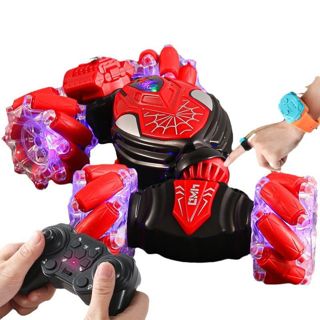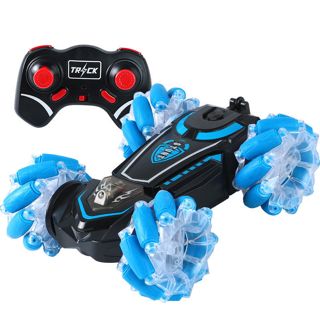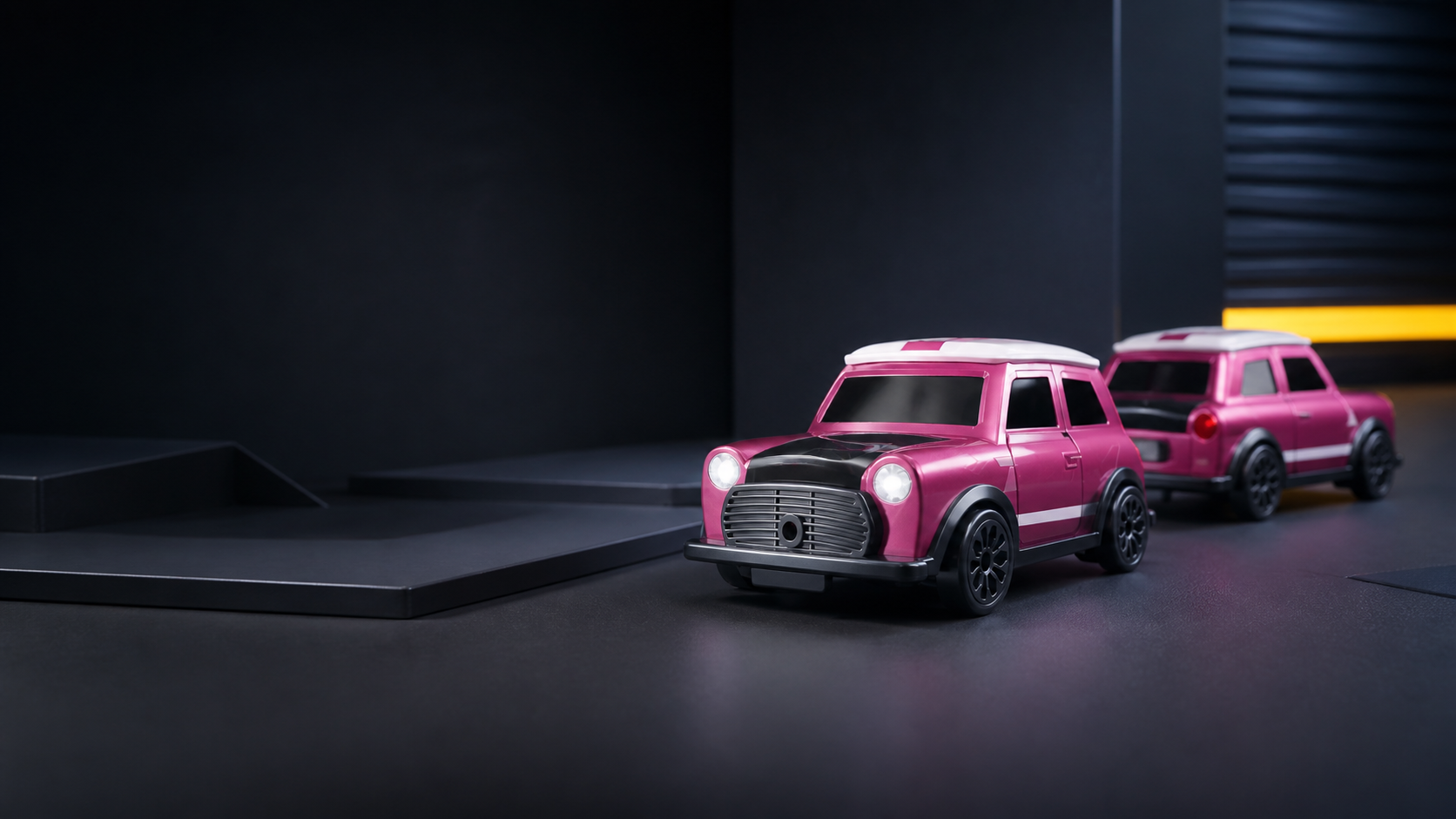
A customized RC car project needs at least three separate sample approvals before mass production — appearance, functional electronics, and production-ready reference — and the safest projects split them into five: white sample, printed sample, functional electronics sample, packaging sample, and sealed golden sample. Treating one sample as the all-purpose approval is how importers end up accepting a unit that looks right, runs wrong, and ships in packaging nobody signed off.
This page maps each rung of that ladder to the risk it closes: colour and print, radio and spray function, button-cell compartment safety, retail packaging, and the physical reference your QC team compares bulk against. Costs, timing, and signoff scope are named as line items, not estimates — anything your factory has not confirmed in writing stays unconfirmed.
Key Takeaways
- Approve the purpose, not the object: a white sample authorizes appearance direction, a functional sample authorizes electronics behaviour, and a golden sample authorizes production reference — signing one does not sign the others.
- Separate visual and functional signoff on different builds, then require one combined production-intent build before you seal a golden sample; a sample-room hero unit is not evidence that the line will reproduce it.
- For any RC car with a spray function, water-contact electronics need an ingress or splash assessment matching the intended use — a dry bench test does not cover it.
- For button-cell versions, check screw closure, tool access, and warning placement before you CoreRCCar function; a compartment that opens with fingernails is a stop-ship item.
- Write peak-season freeze dates into the sample schedule: a verbal colour change in September has missed more vessels than steel problems, so record the freeze date, change-over hours, and which job is on the press.
The Five-Rung Sample Ladder: What Each Approval Actually Authorizes
| White sample — what it is | Unpainted or unprinted build used to evaluate shape, proportion, and handling before decoration decisions. |
|---|---|
| White sample — what it authorizes | Appearance direction only. Does not authorize electronics, packaging, or production tooling release. |
| Printed sample — what it is | Decorated unit showing colour, decals, logo placement, and texture against the approved artwork. |
| Printed sample — what it authorizes | Colour and print execution, once compared to a physical reference under agreed lighting — not to a photo. |
| Functional electronics sample — what it is | Build that exercises actual play function: radio link, steering or stunt mechanism, lighting, sound, and spray where specified. |
| Functional electronics sample — what it authorizes | Functional behaviour for the tested configuration only. A result on a rapid enclosure does not transfer to final injection-moulded parts. |
| Packaging sample — what it is | Retail-ready pack with printed artwork, insert, warnings, and any window or blister construction. |
| Packaging sample — what it authorizes | Packaging artwork and construction. Keep it a separate gate — packaging errors are not caught by appearance or function checks. |
| Golden sample — what it is | Sealed, signed physical reference recording approved material, colour, decoration, dimensions, and photos. |
| Golden sample — what it authorizes | Production QC reference. It does not replace required market testing, and it does not prove every unit will match it. |
| Tooling / mould | varies by spec — depends on whether the RC car uses an existing tool or a new one. |
| MOQ | varies by spec — the RC car lines in the supplied catalogue range from 36 to 216 units per SKU. |
| Sample lead time | varies by spec — confirm with the factory per stage and per season. |
| Sample cost | varies by spec — ask whether tooling, samples, production parts, decoration, testing, packaging, freight, and taxes are quoted separately. |
What Is the Difference Between an Appearance Sample, a Functional Prototype, and a Golden Sample?
An appearance sample is a physical model for evaluating visual design and handling; a functional prototype is a build used to test specified functions; a golden sample is an approved physical reference for agreed production characteristics, used alongside written specifications and test requirements. Those are three different jobs, and a sample labelled 'approved' without a stated scope authorizes nothing specific.
The failure mode is predictable. A buyer likes the appearance, accepts a functional test, and still has no sample representing the product intended for production. Each approval should say what it covers, what remains untested, and what next activity it triggers. An appearance approval should trigger print and packaging work. A functional approval should trigger the production-intent build. Only that combined build should trigger tooling release and golden sample sealing.
Why Should Visual and Functional Approvals Stay on Separate Sample Builds?
Visual and functional approvals answer different questions and should be signed on different builds. Combining them pressures the buyer to accept one incomplete unit as 'the sample' — the classic path to a batch that matches neither the look nor the behaviour you thought you approved.
Keep the visual gate on colour, fit, flash, and print. Keep the functional gate on radio response, steering or stunt mechanism, lighting, sound, and spray. When both gates pass separately, order one production-intent build that carries both, run the combined checks, and use that unit as the golden sample candidate. If a factory pushes a single sample for everything, ask which approval scope it is actually being submitted for.
What Does the Button-Cell Compartment Check Cover Before Function Testing?
CoreRCCar are a compartment and warning problem, and that check runs before any discussion CoreRCCar function. Verify screw closure, the tool required to open the compartment, and warning placement. A cute electronic that opens with fingernails does not ship.
This is a design gate, not a paperwork gate. The compartment construction, the fastener, and the warning are approved as a set. If the golden sample uses a different screw or a different warning position than the functional sample, you have two references and no control. Seal the compartment configuration into the golden sample record alongside colour and function.
Worked Example (Illustrative, Not a Real Shipment)
A private-label buyer orders a customized 2.4G spray-function RC car for two destinations: one retail chain in the US and one gift distributor in the EU. One lot, roughly 4,800 units split across two packaging versions — a window box for the US and a closed box with different warning text for the EU.
The buyer approves a white sample for shape. Print is approved on a printed sample under agreed lighting. A functional sample confirms radio link, steering, lighting, and spray. Then the packaging sample reveals the problem: the EU closed box uses a smaller insert, and the spray nozzle clearance in the packed position is tighter than the unpacked functional sample. The factory flags it at packaging signoff, before tooling release. Nothing is held at the port, because the gate that would have caught it — packaging sample approval — happened before the golden sample was sealed.
Now run the same order without that gate. The functional sample passes, the golden sample is sealed from a sample-room unit, and the packaging difference surfaces after mass production. The lot is built, packed, and waiting for a vessel. That is the step where goods get held: not at customs, not at the lab, but at the factory gate because the packaged configuration was never approved as its own reference.
What Can Be Customized on CoreRCCar-Grade RC Car?
Colour, decals, and logo placement are the entry-level customizations and sit on the printed sample. Body colour and decoration are judged against a physical reference, not a photo — under agreed lighting, with the revision card on the table.
Material and construction follow: ABS and plastic housings are the supplied material classes for this category, and the choice affects feel, weight, and how the unit survives play. Size and scale changes are a tooling conversation, not a decoration conversation.
Packaging and private label are their own approval. Retail box artwork, insert, warnings, and any window construction are signed on the packaging sample. Function-level customization — spray, lighting, sound, gesture control, channel count — is signed on the functional electronics sample. Do not bundle a function change into a colour revision; that is how a 'quick change' becomes an unapproved configuration in the field.
How Do MOQ and Tooling Logic Work for a Custom RC Car?
MOQ depends on whether your project uses an existing tool or requires a new one. Across the supplied RC car catalogue, per-SKU MOQs range from 36 to 216 units, which tells you the practical floor for stock or lightly customized orders is low — but a new mould or a structural change moves the conversation.
Tooling is the dividing line. Colour, decals, logo, and packaging artwork generally do not require new tooling. A new body shape, a new chassis, or a changed compartment geometry does. Ask the factory to separate tooling, samples, production parts, decoration, testing, packaging, freight, and taxes in the quote — a bundled number makes it impossible to tell which line item is driving cost.
The honest answer to 'can you do a small custom run' is: yes for decoration and packaging on an existing tool, and no for a new mould at a few hundred units. Choose OEM with your own design when the volume justifies a mould. Choose stock plus your logo when you need speed and a low MOQ.
How Do You Handle Spray, Lithium, and Radio Claims Without Guessing?
Use only what the factory's actual report covers, and ask for the report rather than a summary. For spray-function units, CoreRCCar with electronics need an ingress or splash assessment that matches the intended use; a dry electrical bench test is not enough. Do not accept a spray claim that has not been assessed against the way CoreRCCar is actually played with.
For lithium power and radio performance, request the actual test documentation for the configuration you are buying. A report issued for a different build, a different battery, or a different radio module does not transfer. If the factory cannot produce the report for your configuration, treat the claim as unconfirmed and write it out of your marketing copy.
Brand and IP claims are a separate track. Excluded from this workflow: unauthorized brand licensing, hobby-grade 1/10 racing performance claims, and any trademark claim you do not hold rights to. If a mould carries a brand mark, confirm the licensing chain before the golden sample is sealed — not after the container is booked.
What Are the Steps in the OEM/ODM Sampling Process?
Inquiry and brief. Send the design intent, target market, function list, and packaging direction. Checkpoint: the factory confirms in writing which sample stages it will issue and in what order. Ask which sample stages they issue for a customized RC project, and in what order.
Quote scope. Ask for tooling, samples, production parts, decoration, testing, packaging, freight, and taxes as separate lines. Checkpoint: you can see which line item changes if you add a function or a packaging version. Ask which Incoterms version and named place — Shantou or Shenzhen as actually booked — will appear on the booking.
White sample. Review shape, proportion, and handling. Checkpoint: written approval of appearance direction only, with the untested items listed. Ask whether the sample will be made on the production line by production operators on the same machines as bulk.
Printed sample. Review colour, decals, logo, and texture under agreed lighting against a physical reference. Checkpoint: revision card signed with tool number and revision. Ask them to refuse a fair photo as the production standard.
Functional electronics sample. Exercise the actual play function — radio link, steering or stunt, lighting, sound, spray. Checkpoint: results recorded for the tested configuration, with the limits stated. Ask for the actual test report for spray, lithium, and radio claims rather than a summary.
Button-cell compartment check. Verify screw closure, tool access, and warning placement before function discussion. Checkpoint: compartment configuration approved as a set.
Packaging sample. Review artwork, insert, warnings, and construction as a packed unit. Checkpoint: packaging approved independently of appearance and function.
Golden sample. Seal the production-intent build with approved material, colour, decoration, dimensions, and photos. Checkpoint: signed and dated by both parties, with custody recorded. Ask whether they will seal and retain a golden sample on the QC shelf, and compare bulk to it on colour, fit, flash, and function.
Production release and QC. Release tooling only after golden sample signoff. Compare bulk to the sealed reference and inspect current goods against agreed requirements — production-lot inspection is a separate control activity, not a fourth sample type. Checkpoint: freeze date, change-over hours, and which job is on the press recorded in the schedule.
How Do You Protect Your Design and Brand During Sampling?
Sign an NDA before you send artwork, CAD, or packaging files. A mutual NDA covering the drawings, the tool, and the print files is standard practice and costs nothing but a signature. If a factory resists, that is information about the relationship.
Mould ownership should be stated in writing: who paid for the tool, who holds it, and what happens to it if the relationship ends. If you paid for the mould, the agreement should say so and should say where it is stored. Confirm this before tooling release, not after the first production run.
Keep the golden sample custody documented. A sealed reference with a signed record is your evidence if a later lot diverges. Retain matched references for your approvers, the factory, and any third-party inspector, and keep superseded samples out of routine use.
FAQ
What is the minimum order to customize an RC car with our logo and packaging?
It depends on whether the customization touches tooling. Logo, decal, and packaging artwork generally ride on an existing tool, where the supplied RC car catalogue shows per-SKU MOQs from 36 to 216 units. A new body shape or chassis geometry requires a mould and moves the floor up. Confirm the MOQ against the exact SKU and the exact change you are requesting.
Do we pay for samples, and are sample costs credited against the production order?
Sample charges are common, and whether they are credited back is a commercial term your factory must confirm in writing. Ask for tooling, samples, production parts, decoration, testing, packaging, freight, and taxes quoted as separate lines, so you can see what is a sample charge and what is a production charge.
Who owns the mould if we pay for it?
Ownership must be stated in writing before tooling release. If you fund the mould, the agreement should identify you as owner and state where the tool is stored and what happens to it if the relationship ends. Do not rely on a verbal understanding — get it into the contract before the first production run.
Can you print our logo and retail packaging, and how is that approved?
Yes, and it is approved on the printed sample and the packaging sample as two separate gates. Colour and logo placement are checked on the printed sample under agreed lighting against a physical reference; box artwork, insert, warnings, and construction are checked on the packaging sample as a packed unit. A fair photo is not an acceptable production standard.
Will you sign an NDA before we share our design files?
A mutual NDA before artwork, CAD, or packaging files are shared is standard practice. If a factory will not sign one, treat that as a risk signal. Confirm the NDA covers the drawings, the tool, and the print files, and that it survives the end of the commercial relationship.
How long does the sampling process take, and what delays it?
Sample lead time varies by stage and by season, so ask the factory to commit per stage rather than as one number. The delays that matter are peak-season mould swaps: a verbal colour change in September has missed more vessels than steel problems. Record the freeze date, the change-over hours, and which job is on the press before you lock your shipping window.
What documentation should we ask for on spray, lithium, and radio performance?
Ask for the actual test report for the configuration you are buying, not a summary or a report issued for a different build. For spray-function units, CoreRCCar with electronics need an ingress or splash assessment matching the intended use; a dry electrical bench test is not enough. If the factory cannot produce the report for your configuration, treat the claim as unconfirmed.
Can we approve one sample that covers appearance, function, and packaging together?
No — and wanting to is the single biggest sampling risk. Appearance, functional electronics, and packaging answer different questions and should be signed on separate builds, then combined into one production-intent golden sample before tooling release. One all-purpose approval is how a container gets ordered with everyone's honest agreement and nobody's actual signoff.
Sources
Send Your RC Car Specs for a Stage-by-Stage Custom Quote
Share your function list, target market, packaging direction, and the sample stages you want quoted. Ask for tooling, samples, production parts, decoration, testing, packaging, freight, and taxes as separate lines, and for the Incoterms version with a named place. We will tell you which stages your project needs — and which ones it can skip.