
Yes — but only if the shell change is treated as a full design, packaging, and supplier-control project, not a repaint. A brand-adjacent shell is a risk trigger the moment a silhouette, colour pairing, or wordmark echoes a registered mark. The practical outcome: rebuild the visual cues (shape, graphics, colour, name) from a written brief, re-review artwork and legal clearance, and prove on the PO that the lot matches the file. Assortment value survives when the new shell still reads at shelf distance and the packaging carries the story the old shell used to carry. It does not survive if the buyer swaps one lookalike for a plainer lookalike and leaves listings untouched.
For importers, Amazon sellers, supermarkets, gift distributors, and private-label buyers, this page covers the risk trigger, the cues that must change, the design brief, artwork and legal review, customer communication, and the performance evidence you should demand from the factory — using only spec sheets and test reports you can actually obtain.
Key Takeaways
- A registered shell silhouette or colour pairing is protected IP; simplifying a shape does not automatically clear it. Legal review is a separate step from design, and neither the factory nor a blog can give you the clearance opinion.
- The transition is only credible when four things change together: the shell tooling, the artwork and packaging, the listing copy and images, and the supplier's lot-level controls. Changing the shell alone usually leaves the old cues in the photos.
- Do not accept a catalogue sentence as evidence. Ask for the specific report that covers the market and the populated assembly — a RoHS declaration for an empty plastic shell does not cover the finished electrical product.
- Paperwork must match the lot. If the certificate or test file does not correspond to the production lot on the PO, it is not paperwork you can rely on in a customs or marketplace dispute.
- Performance evidence should come from your own sell-through and reorder data, not from assumed retailer volumes; if no measured result exists, say unknown rather than inventing one.
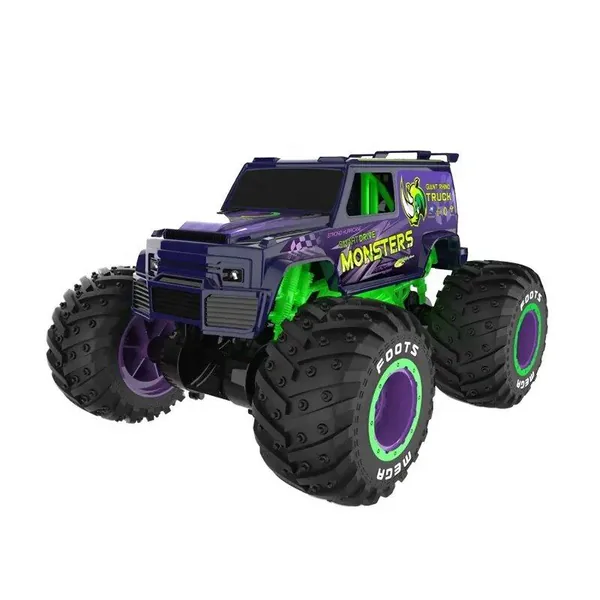
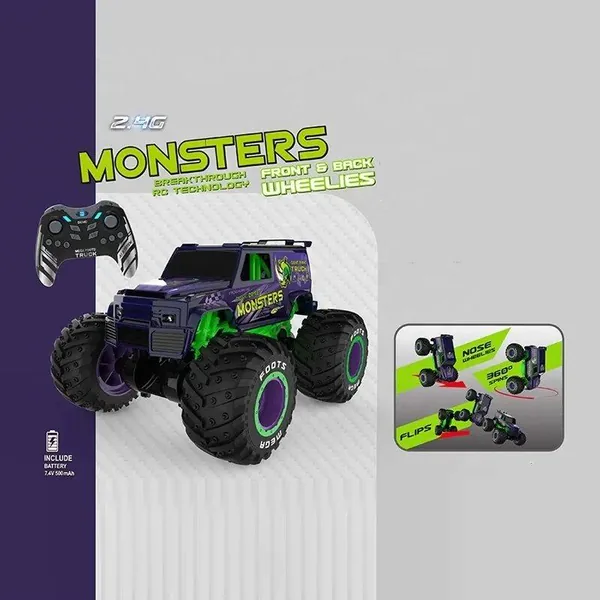
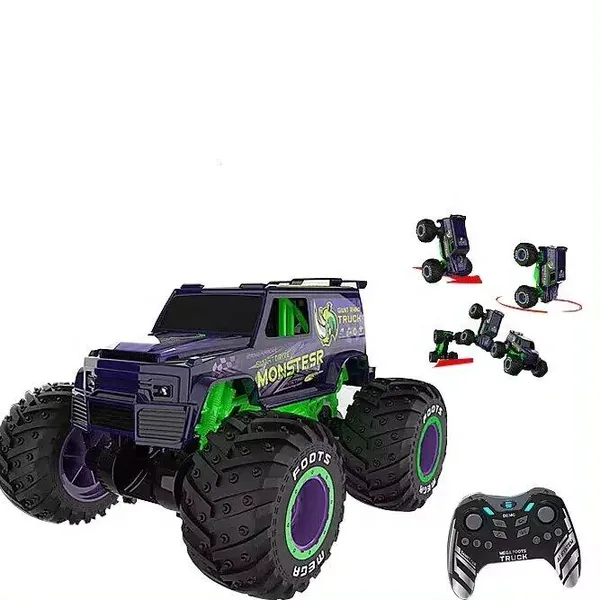
What changed in 2026 that makes brand-adjacent shells harder to keep?
Marketplace and customs scrutiny of lookalike packaging has tightened, and the cost of a takedown now lands on the seller, not the factory. In 2026 the practical trigger is rarely a single complaint; it is the combination of a recognisable shell silhouette, a matching colour pairing, and listing images that still show the old shell. Any one of those alone is survivable. All three together is what gets flagged.
There is a second, quieter trigger. When a factory reproduces a shell from a photograph rather than a controlled drawing, the tool drifts. Small revisions accumulate across lots, and the item you reorder in month six is not the item you approved. That drift is what turns a defensible generic design into a confusing one — and confusing is the legal test that matters.
So the 2026 answer is not 'make it plainer'. It is 'make it deliberately different and document it'.
Which cues actually carry the brand association on CoreRCCar shell?
Buyers usually overestimate the silhouette and underestimate everything else. In practice the association lives in a bundle: the outline, the specific two-colour pairing, the placement of the graphic on the shell, and the product name printed on the packaging. Remove the outline and keep the colours, and the shelf still whispers the old brand.
Work through the bundle in this order. First the outline — change the profile, the ribbing, and the proportion, not just the size. Second the palette — move away from the exact pairing, not merely to a lighter tint of the same two hues. Third the graphic placement and the wordmark; a generic shell should not carry a name that reads like a shortened version of the original. Fourth the packaging story, because a supermarket buyer is buying the box as much as the object.
A useful test: cover the logo on your new pack and show it to someone who knows the category. If they can still name the old brand, the bundle has not been broken.
How should the new design brief be written?
Write the brief as a specification, not a mood board. It needs the tool number and revision, the target shelf footprint, the material, the colour references with tolerances, the graphic placement with dimensions, and the exact name that will appear on pack. If the brief has no revision number, you have no way to tell whether the sample you receive is the sample you approved.
Two details get skipped and both cause rework. First, the packaging: write double-wall, corner boards, edge crush test value, and pallet height into the booking instruction, because corner-sensitive goods die in LCL when the booking note is a thank-you message. Second, the closure and warning design for any battery compartment — check screw closure, tool access, and the warning before you discuss CoreRCCar function at all. A cute electronic that opens with fingernails does not ship.
Keep the brief short enough that a factory can quote against it. One page of specification beats ten pages of inspiration.
What does legal review cover that design review cannot?
Design review asks whether the item looks different. Legal review asks whether a buyer is likely to be confused, and whether the new artwork still uses protected elements. Those are different questions and they need different people. The factory can supply tooling drawings, colour tolerances, and test reports; it cannot supply a clearance opinion.
Come to counsel with the bundle documented: the old and new outlines side by side, the old and new colour references, the packaging artwork, and the product name. Ask specifically about the silhouette, the colour pairing, and the wordmark as separate items, because clearing one does not clear the others.
For electrical items, keep the compliance question separate again. RoHS evidence should follow the electrical product's component and material structure; a declaration for the empty plastic shell does not automatically cover the populated assembly. And a UKCA mark plus a VOC file on an electric bubble machine are different papers — map which file covers which test, for which market, for which lot.
How do you verify a factory can hold a generic design across repeat lots?
Ask for the revision card, not the hero sample. At a trade fair, a booth sample is often a hand-built unit under good lighting; treat the photo as marketing, not as the production standard. What you want is the tool number and revision labelled against the unit, and a golden sample held against that revision.
Then check the control loop. On the floor, a failed lot should be isolated, the defect class recorded, and release held until rework — with the AQL number coming from the inspection plan agreed on the PO, not from a catalogue sentence. If a supplier cannot describe that loop without reaching for a brochure, they cannot hold your generic design either.
Finally, match the file to the lot. Certificates and test reports should name the market, the lot, and which test they cover. If a buyer tries to use one certificate for both a UKCA requirement and a VOC requirement, that is the same failure mode as a mismatched shell: the paper looks official and proves nothing.
How should existing listings and customer communication be handled?
Change the listing in one pass, not in stages. If the old shell photo stays live while the new shell ships, you create the exact confusion the transition was meant to remove — and marketplace reviewers see it. Update hero image, secondary images, A+ content, title, and the packaging render together.
Tell the trade customer plainly: this is a generic design, it is not affiliated with or endorsed by any brand, and here is what changed on the shelf. Distributors and supermarket buyers accept a generic range; they resist being surprised by it. Give them the new shelf footprint and the new colour references so their planogram can be updated.
For end consumers, the pack copy should carry the story the old shell used to carry — the use case, the age grade, the battery and warning information — so the object still sells without the borrowed cue.
What evidence counts as proof the transition worked?
Your own sales data. Compare sell-through and reorder interval on the old shell against the new one over a comparable window, and watch the return rate and the colour-consistency complaints separately. A generic shell that sells at the same rate with fewer disputes is the outcome you want; a generic shell that sells at the same rate but generates more colour complaints means the tooling drifted.
Ask the factory for the documents that support the new SKU: the revision card, the inspection plan referenced in the PO, and the market-specific reports for the populated assembly. For outdoor plastic items, include UV exposure in the design review, because fading, embrittlement, and cracking show up after the first season, not in the sample room.
If no measured result exists yet, write unknown. A blank cell is honest; an invented number is a liability the first time a buyer checks it.
Design and control checkpoints for a generic-shell transition
| Risk trigger | Recognisable silhouette plus matching colour pairing plus listing images showing the old shell; any one alone is survivable, all three together is not |
|---|---|
| Cue to change — outline | Profile, ribbing, and proportion, not just size |
| Cue to change — palette | Move away from the exact two-colour pairing, not to a lighter tint of the same hues |
| Cue to change — wordmark and graphic | Remove names that read as shortened versions of the original; relocate graphic placement |
| New design brief | Tool number and revision, shelf footprint, material, colour references with tolerance, graphic dimensions, exact pack name |
| Packaging specification | Double-wall, corner boards, ECT value, and pallet height written into the booking instruction |
| Battery compartment | Screw closure, tool access, and warning checked CoreRCCar function is discussed |
| Legal review inputs | Old and new outline, old and new colour references, packaging artwork, product name — reviewed as separate items |
| Lot-level control | Failed lot isolated, defect class recorded, release after rework; AQL from the inspection plan on the PO |
| Electrical compliance | RoHS evidence follows the populated assembly, not the empty shell; map each file to market, lot, and test |
| Listing update | Hero image, secondary images, A+ content, title, and pack render changed in one pass |
| Customer communication | State plainly that the design is generic and unaffiliated; supply new shelf footprint and colour references |
| Performance evidence | Own sell-through and reorder interval versus the old shell; return rate and colour complaints tracked separately |
| If unmeasured | Record as unknown — never substitute an assumed figure |
FAQ
Who are reliable wholesale RC car suppliers in China CoreRCCar retailers and distributors?
Reliability in this category shows up in lot control, not in a brand name: ask for the revision card, the inspection plan referenced on the PO, and the market-specific reports for the populated assembly. Chenghai and Shantou in Guangdong are the dense clusters for plastic and CoreRCCar production, and Yiwu is stronger for small mixed-goods lots. A supplier who will not put the AQL and packaging spec into the PO is not reliable at repeat-lot scale.
Where can I source wholesale RC cars with specs, samples and packaging data before placing a PO?
Source at the cluster level first: Chenghai and Shantou in Guangdong for plastic and CoreRCCar manufacturing, Yiwu for mixed-container filler. Before any PO, request the tool number and revision, colour references with tolerances, the packaging spec including double-wall and ECT, and the test file that matches the market and the populated assembly. Samples from a trade fair are usually hero units — ask for a production-revision sample instead.
Which China factories can supply wholesale RC cars for Amazon, toy stores and gift shops?
Any factory with a working lot-control loop can serve those channels, but the channel changes what you must document. Amazon needs listing images, warnings, and battery-compartment design that match the shipped lot; toy stores and gift shops need shelf footprint and colour consistency across reorders. Ask each candidate to describe how a failed lot is isolated and released, and check whether the certificate names the market and the lot.
Who supplies remote control cars wholesale from China with 2.CoreRCCar-grade models for retail?
2.CoreRCCar-grade models are standard output across the Guangdong plastic-toy cluster, so the differentiator is not the frequency band but the documentation and repeatability. Confirm the battery compartment closure and warning design, the charger and USB content, and the report that covers the populated electrical assembly. If a supplier offers a RoHS declaration for the empty plastic shell only, ask for the file that covers the finished unit.
Who are RC car manufacturers in Chenghai that support samples, OEM packaging and repeat orders?
Chenghai in Shantou, Guangdong is the main cluster for plastic and CoreRCCar manufacturing, and most factories there will quote OEM packaging and repeat orders. Evaluate them the same way regardless of size: revision card against a golden sample, inspection plan written into the PO, and packaging spec that names double-wall, corner boards, ECT, and pallet height. A generic-shell transition for a licensed-adjacent design should also go through legal review before tooling is cut.
How long does a generic-shell transition take from decision to reorder?
It depends on whether new tooling is required and on how long legal review takes, so treat any fixed timeline as unverified. The critical path is usually the design brief and clearance, then tooling, then packaging artwork, then the production-revision sample. Do not compress the sample stage to save a week; the revision card is what protects the reorder.
Sources
Request a quote or a factory audit
If you are planning a generic-shell transition and need a supplier who will put the revision card, the inspection plan, and the packaging specification in writing, send us your target market, shelf footprint, and current shell reference. We will come back with what can be quoted from a written brief, what needs legal review first, and what must be confirmed on a production-revision sample before tooling is cut.